
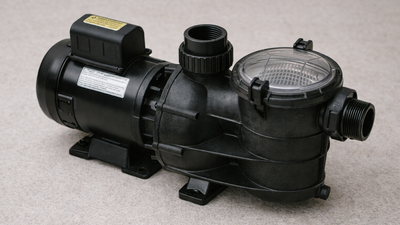
A leaking pool pump seal is one of the most common reasons pool pumps fail — and one of the easiest problems to miss early on.
The shaft seal sits between the wet end of the pump and the motor. When it starts leaking, water slowly works its way into the motor bearings. If ignored, the result is usually a seized motor, tripped breakers, or a pump that hums but won’t start.
This guide explains how to tell if your pool pump seal is leaking, what signs to look for, and when replacing the seal makes sense versus replacing the entire pump.
Safety Notice: This article is provided for informational purposes only. RV systems may include electrical, propane, plumbing, and mechanical components that can pose serious safety risks. Always follow manufacturer guidelines and proper safety procedures. When in doubt, seek assistance from a qualified technician
I find that leaking Pump seals also known as shaft seals are one of the most common issues that Pool pumps can develop and also one of the biggest reasons a pump replacement is needed if the problem is not rectified.
If you need more information on pool pumps, visit: Pool Pump Problems: Causes, Symptoms, and Fixes (Complete Troubleshooting Guide)
Start Here: Quick Diagnostic Checklist
Before inspecting anything, answer these questions:
- Do you see water dripping under the pump?
- Is there rust or corrosion near the motor face?
- Does the pump make a grinding or squealing noise?
- Did the pump recently start humming or tripping breakers?
- Has the pump been run dry recently?
These clues strongly point toward seal failure.
What a Pool Pump Seal Does
The pump seal prevents water from:
- leaking out of the pump housing
- entering the motor bearings
When the seal fails:
- water leaks toward the motor
- bearings corrode
- electrical components become damaged
Once water reaches the motor, damage accelerates quickly.
Most Common Signs of a Leaking Pool Pump Seal
1. Water Dripping Between the Pump and Motor
This is the clearest sign.
Look for water:
- directly under the pump
- at the seam where the motor meets the pump housing
Even occasional dripping means the seal has failed or is failing.
2. Rust or Corrosion on the Motor Face
Water from a leaking seal often leaves behind rust trails.
Check for:
- rust streaks
- white mineral deposits
- corrosion around bolts or vents
Corrosion near the motor usually starts at the seal.
3. Grinding, Squealing, or Whining Noises
Water-damaged bearings produce noise.
Common sounds include:
- grinding when starting
- squealing during operation
- louder-than-normal motor noise
Once bearings are damaged, the motor’s lifespan is limited.
4. Pump Hums but Won’t Start
A leaking seal can destroy motor bearings over time.
As bearings fail:
- motor shaft becomes harder to turn
- pump may hum instead of starting
- breaker may trip during startup
This often appears weeks after the seal begins leaking.
5. Breaker Trips After Rain or Heavy Use
Moisture entering the motor can cause electrical faults.
If the pump:
- trips breakers intermittently
- trips more often over time
- trips especially when wet
A leaking seal may be the root cause.
Common Causes of Seal Failure
Pump seals usually fail due to:
- running the pump dry
- poor water chemistry
- overheating
- age and wear
- misaligned installation
Even brief dry runs can permanently damage a seal.
How to Confirm a Seal Leak
If you’re unsure, try this:
- Dry the area under the pump completely
- Run the pump for 10–15 minutes
- Inspect the motor-pump seam
Fresh moisture appearing confirms a leak.
Seal Leak vs Other Common Problems
Seal Leak
- water under pump
- rust on motor
- noise over time
- worsening symptoms
Plumbing Leak
- water only when pump is on
- no rust on motor
- leaks from fittings or unions
Lid or O-Ring Leak
- water near pump top
- air bubbles in basket
- no motor corrosion
Knowing the difference prevents unnecessary repairs.
Should You Replace the Seal or the Entire Pump?
Seal Replacement Makes Sense If
- motor runs quietly
- bearings are smooth
- leak was caught early
- pump is in good condition
Seal kits are inexpensive and effective when caught early.
Pump or Motor Replacement Makes Sense If
- bearings are noisy or seized
- motor hums but won’t start
- breaker trips repeatedly
- pump is old or inefficient
Replacing the seal won’t save a damaged motor.
Common Misdiagnoses That Waste Money
- replacing the motor without checking the seal
- blaming the breaker or wiring
- ignoring small leaks
- assuming leaks are “normal”
Small leaks become big failures if ignored.
When to Stop DIY and Call a Professional
Call a professional if:
- motor bearings are noisy
- electrical faults are present
- pump disassembly is unfamiliar
- alignment issues are suspected
Incorrect seal installation can cause immediate failure.
How to Prevent Seal Failure
- never run the pump dry
- maintain proper water chemistry
- fix air leaks promptly
- inspect for leaks monthly
Related Articles
- Pool Pump Hums but Wont Start
- Pool Pump Runs But No Water Flow
- Pool Pump Loses Prime Overnight
- Pool Pump Trips Breaker When Starting
- Hot Tub Leaking? Here’s What to Check First
Written by Dan Harvickson, pool & spa repair technician