
This article is for general informational purposes only. Pool equipment involves electricity and moving parts. If you are unsure or uncomfortable performing any checks, contact a qualified pool professional.
What Does It Mean When a Pool Pump Won’t Prime?
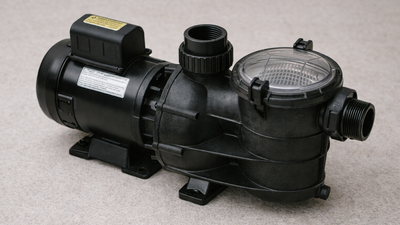
Priming refers to the process of filling the pump and suction lines with water so the pump can create enough vacuum to pull water from the pool. A properly primed pump will have a full pump basket and a steady flow of water returning to the pool.
When a pump won’t prime, it means air is entering the system or water isn’t reaching the pump fast enough. When a pump loses prime, it usually starts out working but then pulls in air and stops moving water.
Both situations prevent proper circulation and can quickly lead to overheating or seal damage if not addressed.
If you need more information on pool pumps, visit: Pool Pump Problems: Causes, Symptoms, and Fixes (Complete Troubleshooting Guide)
—
Common Symptoms of a Pool Pump That Won’t Prime
You may be dealing with a priming problem if you notice any of the following:
• The pump basket stays empty or only partially fills with water
• Large air bubbles are visible in the pump lid
• The pump is running but no water returns to the pool
• Filter pressure remains at zero
• The pump becomes loud, hot, or shuts off
These symptoms almost always point to an air leak or restriction on the suction side of the system.
—
Most Common Causes of a Pool Pump That Won’t prime.
Low Pool Water Level
If the pool water level is too low, air can be pulled into the skimmer instead of water. This is one of the most common and easiest fixes. The water level should be at least halfway up the skimmer opening.
Air Leaks on the Suction Side
Any air leak between the pool and the pump will prevent proper priming. Common leak points include pump lids, unions, valves, and drain plugs. Even small leaks can break suction.
Bad or Dry Pump Lid O-Ring
A cracked, flattened, or dry pump lid O-ring will allow air to enter the system. This often causes bubbles in the pump basket and difficulty maintaining prime.
Loose Unions or Valves
Unions or valves that aren’t fully tightened can pull in air without leaking water. This can be hard to spot but is a frequent cause of priming problems.
Clogged Skimmer, Pump Basket, or Impeller
Debris restricting water flow can prevent the pump from pulling enough water to establish prime. Leaves, hair, or small debris can clog baskets or lodge in the impeller.
Closed or Partially Closed Valves
If suction valves are closed or partially closed, the pump may not receive enough water to prime. This can happen after maintenance or seasonal start-up.
Cracked Pump Lid or Housing
A cracked pump lid or pump housing will continuously pull in air and usually makes priming impossible. This requires part replacement.
Suction Line Problems Underground
If all visible components check out, the issue may be an underground suction line leak. These are less common but can occur due to aging plumbing or ground movement.
—
Step-by-Step Troubleshooting You Can Do Safely
Check the Pool Water Level
Make sure the water level is high enough to fully supply the skimmer.
Clean All Baskets
Remove and clean the skimmer basket and pump basket thoroughly.
Inspect the Pump Lid O-Ring
Remove the lid, clean the O-ring, and apply a silicone-based lubricant. Replace it if cracked or flattened.
Check Fittings and Unions
Hand-tighten any loose unions or fittings on the suction side.
Fill the Pump Basket with Water
Turn the pump off, remove the lid, fill the basket completely with water, reinstall the lid, and start the pump.
Watch the Pump Basket
The basket should fill completely within a minute or two. Small bubbles at first are normal, but continuous air indicates an air leak.
–
What not to Do
Do not allow the pump to run dry for extended periods. This can damage the pump seal and motor.
Do not overtighten fittings or lids. This can crack plastic components.
Do not ignore persistent air bubbles. They usually mean a problem that will get worse over time.
When to Call a Professional
You should contact a pool professional if:
• The pump will not prime after checking all visible components
• You suspect an underground suction leak
• The pump housing or lid is cracked
• The pump overheats or repeatedly shuts off
Running a pump with unresolved priming issues can cause expensive damage.
How to Prevent Pool Pump Priming Problems
• Keep the pool water level properly maintained
• Clean skimmer and pump baskets regularly
• Lubricate pump lid O-rings seasonally
• Inspect fittings and valves at the start of each season
• Properly winterize plumbing to prevent cracks
Regular maintenance greatly reduces the chance of priming issues.
Conclusion
A pool pump that won’t prime or keeps losing prime is usually caused by air leaks, low water level, or flow restrictions. Most of these issues are easy to identify and fix with basic checks and routine maintenance. Addressing the problem early helps protect your pump, improve circulation, and keep your pool running safely.
If troubleshooting doesn’t resolve the issue, contacting a professional can prevent further damage and restore proper operation.
FAQ – Pool Pump Won’t Prime
Why does my pool pump lose prime overnight?
Air leaks on the suction side, a drying O-ring, or low water level often allow air to enter when the pump is off.
Can running a pump without prime damage it?
Yes. Running dry can overheat the pump seal and motor, leading to costly repairs.
How long should it take for a pool pump to prime?
Most pumps should fully prime within one to two minutes if there are no air leaks.
Should I turn the pump off if it won’t prime?
Yes. If the pump does not prime within a few minutes, turn it off to prevent damage and investigate the cause.
Related Articles:
Pool Pump Looses Prime Overnight
Written by Dan Harvickson, pool & spa repair technician.