
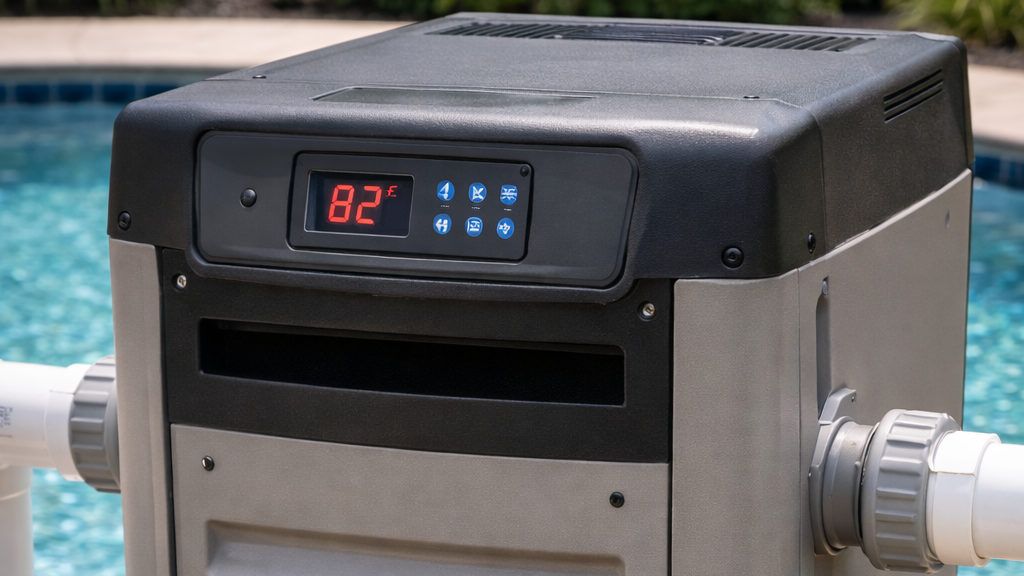
If your pool heater turns on but shuts off shortly afterward, it’s almost always doing so
on purpose
. Modern pool heaters are designed to shut down automatically when they detect unsafe conditions like low water flow, overheating, or electrical problems.
The tricky part is that the heater
appears to work — at least briefly — which leads many pool owners to assume the heater itself is bad. In reality, the heater is usually responding to another problem in the system.
Before you start troubleshooting, please check your filter, I find that this is the most common issue that causes a heater to stop heating.
Safety Notice: This article is provided for informational purposes only. RV systems may include electrical, propane, plumbing, and mechanical components that can pose serious safety risks. Always follow manufacturer guidelines and proper safety procedures. When in doubt, seek assistance from a qualified technician
This guide walks you through the most common reasons a pool heater turns on and then off, how to narrow down the cause, and what to check before replacing expensive components.
Start Here:
- How long does the heater run before shutting off?
- Does it shut off with an error code, or silently?
- Does the pump stay running when the heater shuts off?
- Is the filter pressure normal, high, or low?
- Does the heater restart on its own after cooling?
These details help identify whether the shutdown is flow-related, temperature-related, or electrical.
Why Pool Heaters Shut Themselves Off
Pool heaters monitor several safety conditions, including:
- water flow
- internal temperature
- exhaust and air intake
- electrical supply
If any of these fall outside safe limits, the heater will shut down to prevent damage.
Most Common Reasons a Pool Heater Turns On Then Off
1. Low Water Flow Through the Heater (Most Common)
Insufficient water flow causes the heat exchanger to overheat quickly.
Common causes include:
- dirty or clogged filter
- closed or partially closed valves
- low pump speed (variable-speed pumps)
- air in the system
What to check
- Compare filter pressure to your normal baseline
- Clean or backwash the filter
- Verify all return-side valves are fully open
- Increase pump speed slightly and retest
If the heater stays on with higher flow, the issue was flow-related.
2. Pressure Switch or Flow Switch Issues
The pressure or flow switch confirms water is moving before allowing heat.
If it’s:
- misadjusted
- clogged with debris
- sticking intermittently
…the heater may start, then shut off shortly afterward.
Common symptom
- heater fires briefly
- shuts off without error
- may restart repeatedly
Switch problems are common after filter cleaning or plumbing changes.
3. High-Limit Switch Tripping
High-limit switches shut the heater down if internal temperatures get too high.
Causes include:
- scale buildup inside the heat exchanger
- restricted water flow
- faulty temperature sensors
Once tripped, the heater often won’t restart until it cools.
4. Heater Overheating Due to Scale or Debris
Mineral scale or debris reduces heat transfer.
This causes:
- rapid temperature rise
- quick shutdown
- repeated short cycles
Scale is especially common in areas with hard water or poor chemistry control.
5. Pump or Filter Issues Affecting Flow
Even if the pump is running, flow may be insufficient.
Related problems include:
- pump losing prime intermittently
- air entering the system
- clogged impeller
- incorrect valve positions
Heaters are extremely sensitive to flow changes.
6. Electrical or Control Board Problems
Electrical faults can interrupt operation.
Possible causes:
- loose wiring
- failing control board
- voltage drop under load
- weak breaker or relay
This is more common if the heater shuts off suddenly with no error code.
7. Exhaust or Air Intake Problems (Gas Heaters)
Gas heaters require proper airflow.
If vents are blocked:
- heater may start
- safety sensors shut it down quickly
Check for:
- debris or nesting animals
- restricted airflow
- improper clearance
Simple Tests to Narrow It Down
Flow Test
- Clean the filter
- Open all valves
- Increase pump speed
- Restart heater
If runtime improves, flow was the issue.
Cycle Time Test
- Note how long the heater runs
- Very short cycles (1–3 minutes) usually indicate overheating or low flow
- Longer cycles before shutdown often point to electrical issues
Filter Pressure Comparison
- Normal pressure = heater issue more likely
- High pressure = restriction after the pump
- Low pressure = suction or pump issue
Common Misdiagnoses That Waste Money
- replacing the heater when the filter is dirty
- blaming the heater when pump speed is too low
- replacing pressure switches without checking flow
- ignoring air leaks in the system
Heaters are rarely the first thing to fail.
When to Stop DIY and Call a Professional
Call a professional if:
- internal scale buildup is suspected
- control board diagnostics are required
- gas line or combustion issues are possible
- electrical testing is uncomfortable
Heaters combine water, electricity, and gas — safety matters.
How to Prevent Heater Short Cycling
- keep filters clean
- maintain proper pump speed
- control water chemistry
- inspect valves after maintenance
- address flow issues early
Related Articles
Written by Dan Harvickson, pool & spa repair technician